Time :
2025-10-21 17:16:21Size:
[Large
Middle
Small
]Page View:
|Source
Institute of Laser Microprocessing Technology and EquipmentI. Advantages of Perovskite Solar Cells
The continuous improvement of photovoltaic cell conversion efficiency has always been one of the key core elements in the technological iteration process of the entire photovoltaic industry. Perovskite cells are a highly anticipated third-generation solar cell, whose outstanding performance stems from its unique material system. Perovskite, an ionic compound crystal, exhibits a series of remarkable properties when used as a semiconductor light-absorbing material in solar cells. These include a wide bandgap range that can be continuously tuned and strong light-absorption capabilities. Compared to mainstream crystalline silicon materials, perovskite solar cells demonstrate superior theoretical conversion efficiency and power generation capacity. Consequently, they are regarded as a core candidate for next-generation photovoltaic technology.
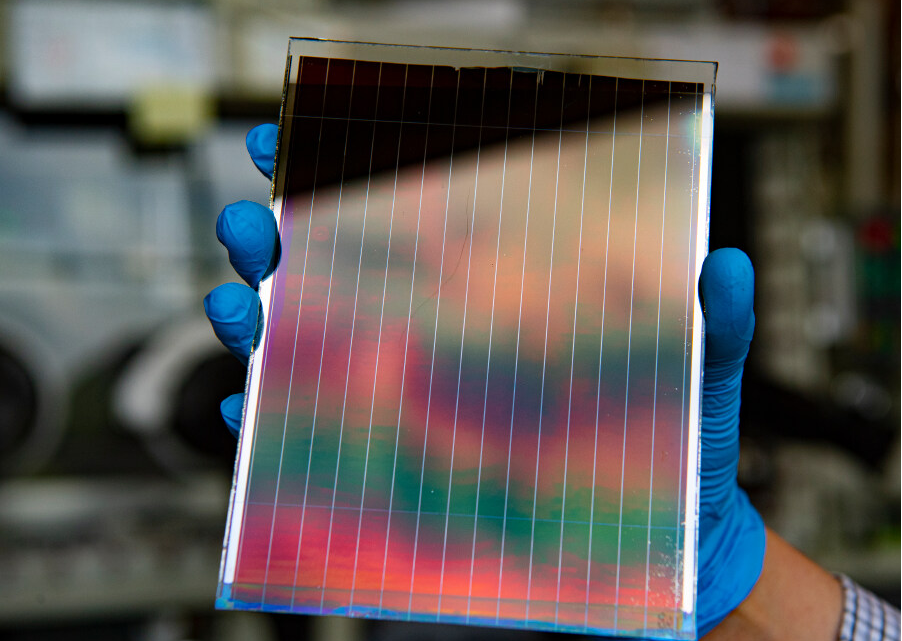
Figure 1: Photovoltaic Perovskite Cell
II. Applications of Lasers in the Manufacturing Process of Perovskite Solar Cells
The production process for perovskite solar cells primarily includes physical vapor deposition (PVD) for depositing electrodes and functional films to establish the basic structure; coating processes that precisely control parameters to uniformly apply perovskite precursor solutions and form light-absorbing layers; laser etching and scribing steps that leverage laser characteristics to achieve electrode segmentation and circuit connections, forming an essential process for constructing series circuits; Finally, encapsulation is performed. Among these, laser etching and scribing are critical steps for forming the series circuit in perovskite solar cells. This process fully leverages the high energy density and high-precision processing characteristics of lasers, enabling extremely precise scribing operations on each functional layer of the perovskite cell. This achieves subcell division and series connection, ensuring the overall electrical performance of the perovskite cell remains stable and highly efficient.
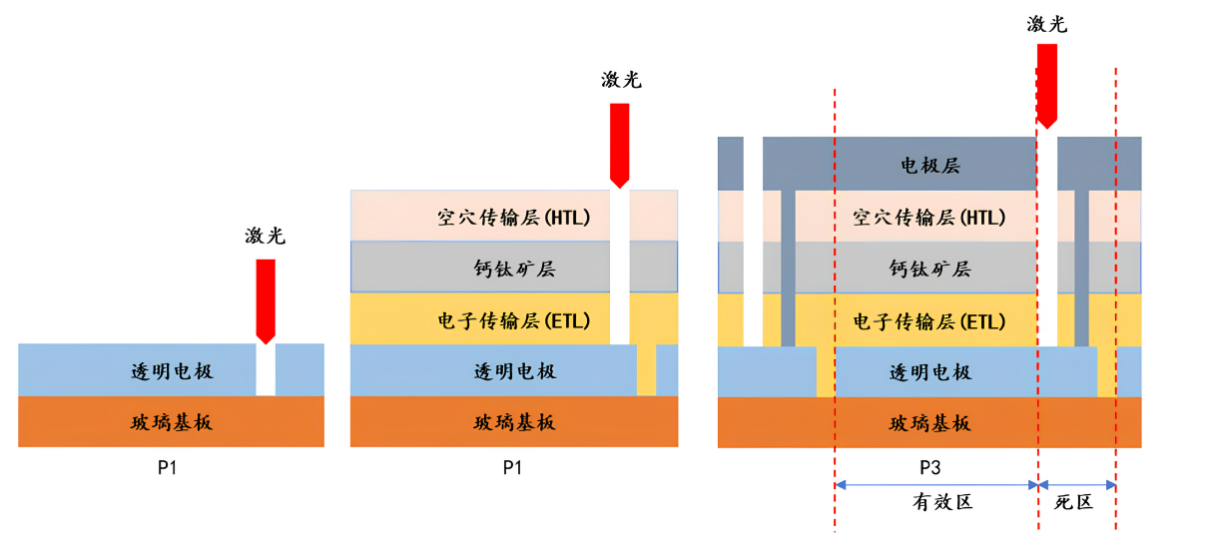
Figure 2 Schematic of the laser etching process for perovskite solar cells
During laser etching and scribing operations on perovskite solar cells, three parallel laser etching steps (labeled P1-P3) followed by edge cleaning are typically required, as shown in Figure 2. In the P1-P3 etching stages, the laser acts on the cell surface, causing the material to vaporize under heat and form trenches. This creates isolated modules that block current conduction, achieving the segmenting effect. The laser process significantly impacts both the damage defects in the thin film and the smoothness of the cut surface. These factors collectively determine the cell's efficiency and lifespan. Therefore, precision laser equipment plays an exceptionally critical role in the fabrication of perovskite thin-film solar cells.
III. Independently Developed Perovskite Laser Scribing Equipment
Center-led Independent Project: “Research and Development of High-Speed, High-Precision Laser Scribing Equipment for Large-Format Perovskite Solar Cells” focuses on laser equipment R&D and innovation for the core process of perovskite solar cell fabrication. Addressing mass production challenges, it innovatively integrates a multi-beam spectroscopic processing head (12-24 beams) with a machine vision closed-loop control system. Intelligent algorithms dynamically calibrate scribing trajectories, significantly boosting processing efficiency. Employing picosecond ultrafast laser processing with minimal thermal damage, the technology achieves high-precision structuring (10-30μm) on perovskite films, controlling dead zones within 150μm. This significantly reduces series resistance and minimizes efficiency losses. Multi-axis联动 technology achieves scribing times under 8.4 seconds for 1200mm×600mm panels. This technology provides a critical core process solution for mass production of perovskite/perovskite-silicon tandem cells, featuring broad material compatibility suitable for diverse systems including ITO, metal electrodes, oxide buffer layers, and organic functional layers.
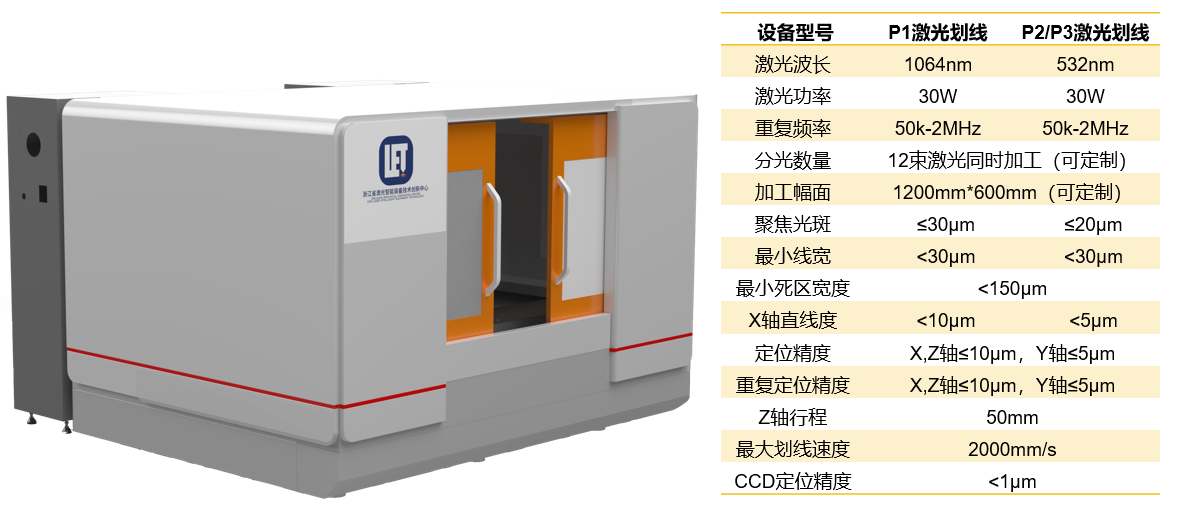
Figure 3: Self-developed Perovskite Laser Scribing Equipment
High-efficiency laser scribing
This equipment employs unique spectroscopic technology to precisely split a single laser source into 12 beams, as shown in Figure 4. The power of each beam and the distance between adjacent beams (sub-cell width) can be flexibly adjusted according to actual requirements. During scribing operations, the laser working head moves from left to right, precisely etching 12 cell lines throughout the process. Subsequently, the suction platform, in coordination with the linear motor, precisely steps the glass substrate by 12 subcell widths. Once the substrate comes to a complete stop, the laser head traverses from right to left again, etching another set of 12 cell lines. Repeating this back-and-forth motion ten times, the device efficiently completes the etching of 236 cell lines in an extremely short time (<9 seconds).
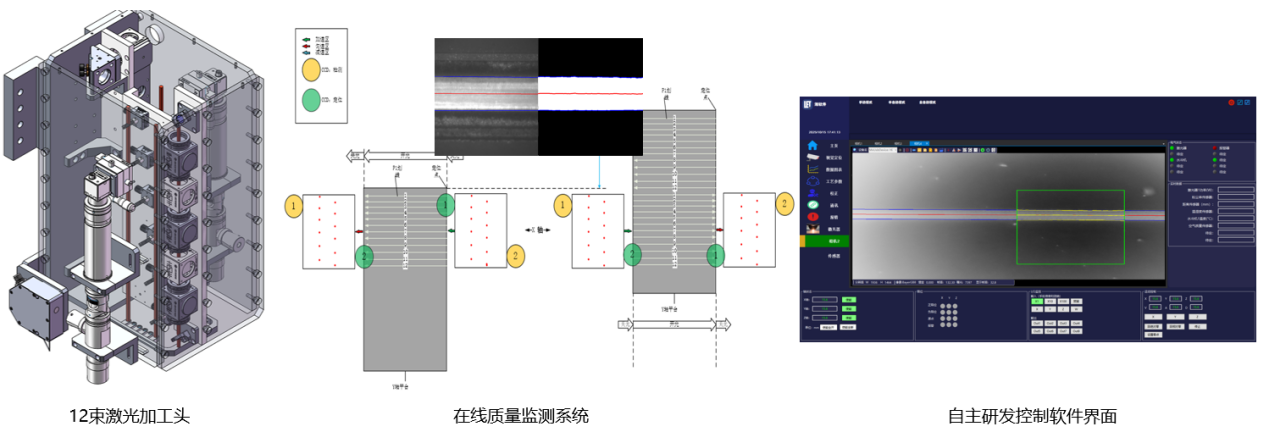
Figure 4: Self-designed Perovskite Laser Scribing Equipment
Intelligent Feedback Line Monitoring System
The scribing prototype system employs a dual-camera alternating operation mode. High-resolution CCD camera assemblies are installed on both sides of the laser processing head in the X-direction to eliminate occlusion in the motion path. Sub-micron optical imaging from the CCD camera assemblies is combined with image processing algorithms for scribing quality analysis. A localized adaptive threshold segmentation approach is proposed, integrated with the Otsu method to calculate the binarization threshold. Logical algorithms analyze morphological edges and remove irrelevant information. Finally, two edge lines and one centerline feature are fitted, with these three lines used for line-marking quality analysis. While integrating line-marking quality inspection, real-time power adjustment, position calibration, and defect location marking are performed, achieving a closed-loop control system of “processing-inspection-correction.”
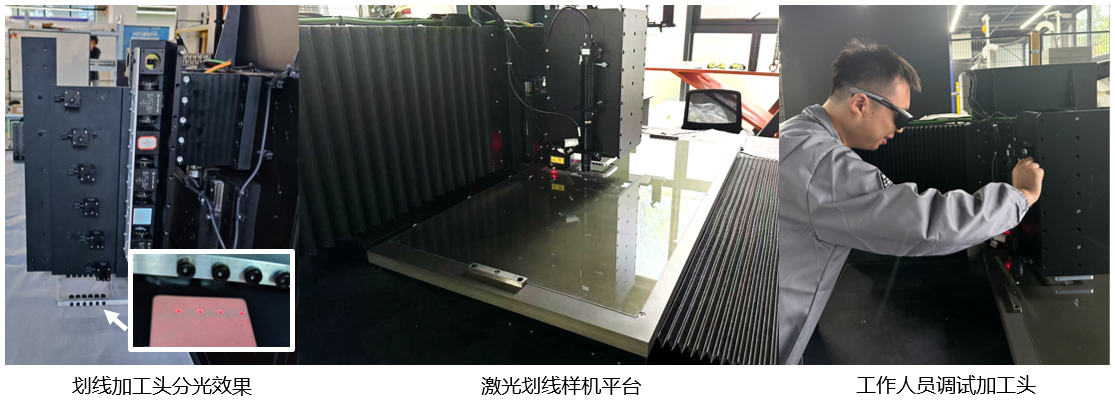
Figure 5: Assembly of the Perovskite Laser Scribing Prototype
High-precision laser marking technology
The laser scribing process divides perovskite modules into multiple interconnected sub-cells. Each sub-cell contains P1, P2, and P3 lines, with the area between the outermost P1 line and the outermost P3 line being non-functional—commonly known as the dead zone. The wider the dead zone, the larger the proportion of non-power-generating area within the cell, resulting in lower sub-cell efficiency. Therefore, minimizing the dead zone width is a core technical metric in the laser scribing process for perovskite photovoltaic cells. Our independently developed equipment utilizes a 1064nm infrared ultrafast picosecond laser as the light source, combined with a high-magnification focusing lens. This configuration minimizes dead zone width during scribing, significantly enhancing the power generation efficiency of perovskite solar cells.
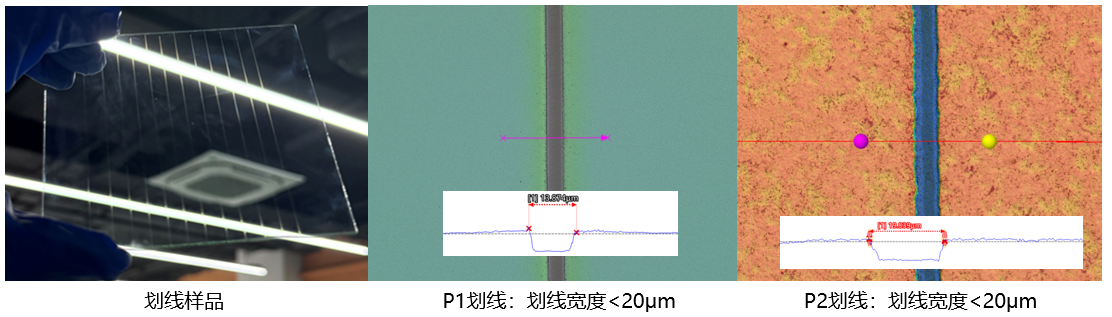
Figure 6 Perovskite Solar Cell Scribed Sample
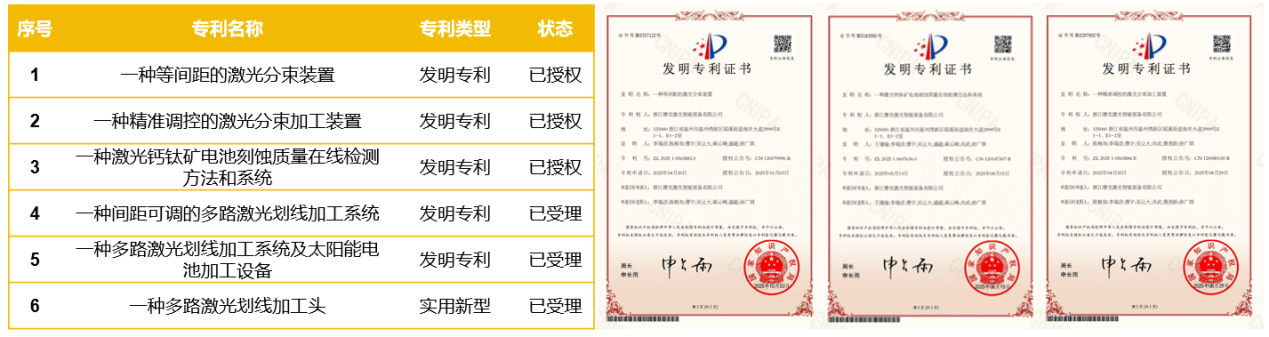
Figure 7: Authorized Patents
Currently, the center has successfully completed the systematic assembly of prototypes and achieved high-precision, high-efficiency laser scribing processing on large-area ITO glass substrates, with process results reaching industry-leading standards. Regarding intellectual property strategy, we are actively building a patent portfolio centered on core technologies such as laser processing and equipment structure. To date, we have filed six invention patents, with three already granted (as shown in Figure 7), providing robust safeguards for subsequent technology commercialization and market competition. Perovskite solar cell technology is currently transitioning from laboratory development to industrialization. From an industry-wide perspective, most listed companies in related fields remain in the phase of laboratory technology optimization and pilot production line construction, without yet establishing large-scale mass production capabilities. Against this backdrop, the center's independently developed high-speed, high-precision laser scribing equipment for perovskite cells offers industry clients a leading solution through its outstanding advantages in processing efficiency, scribing accuracy, and process stability. This equipment not only effectively enhances processing quality and product yield during perovskite cell production but also injects strong momentum into advancing industrialization and accelerating the realization of large-scale mass production.